
Understanding and Managing Period Cramps Effectively

Reading Time: 4 mins
When it comes to period cramps, information is a key component to getting relief. By understanding the differences between primary and secondary dysmenorrhea, or when to worry about your period, your mental state is sure to feel more at ease. Knowing common period pain solutions like using heating pads, engaging in anti-inflammatory practices, and doing gentle exercises will have you feeling better than before.
The National Library of Medicine states that over 84% of women have menstrual pain, from mild discomfort to severe aches. With so many people dealing with this so often, everyone needs to learn as much as possible about why it occurs and how to make it easier to endure.
We’ve put together this guide to help people of all ages and genders find a better understanding of this often-overlooked issue.
What Are Period Cramps?
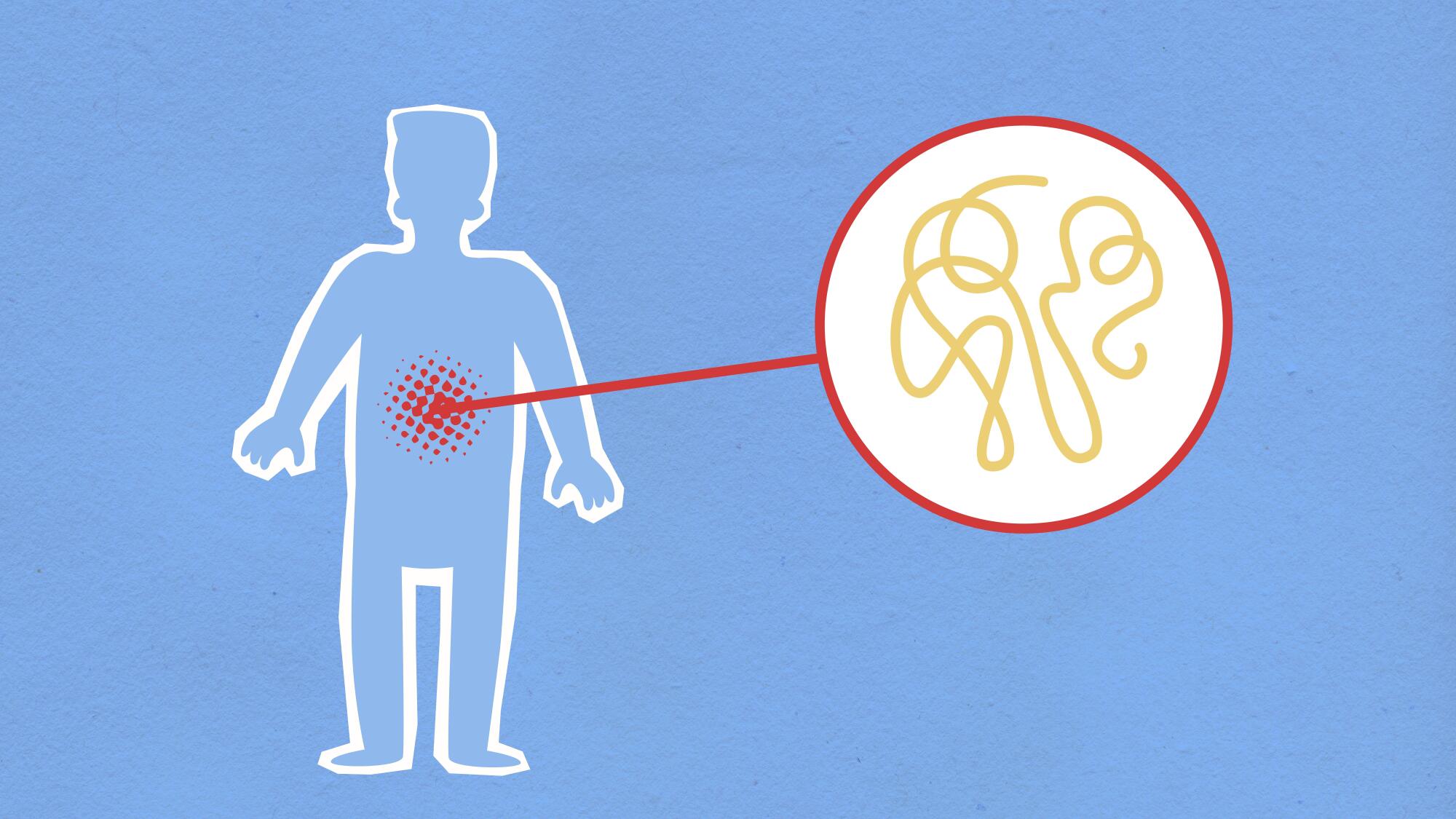
Aching pains in the lower abdomen experienced during your menstrual cycle are most often called period cramps (or dysmenorrhea). These cramps occur due to prostaglandins, chemicals released in the body that cause the muscles in the uterus to contract. The higher the level of prostaglandin, the more intense your cramps become.
Primary Dysmenorrhea
If you experience cramps during your menstrual cycle but have no other conditions, it’s considered primary dysmenorrhea. Almost all people who have periods with cramps begin feeling them during puberty.
Secondary Dysmenorrhea
Certain medical conditions can cause period pain even if you never experienced cramps before. This is categorized as secondary dysmenorrhea. The most common conditions that lead to painful periods include:
- Endometriosis
- Fibroids
- Adenomyosis
- Pelvic inflammation
Typical Menstrual Cramp Symptoms
It’s crucial to understand that cramping is a normal part of the cycle. Common menstrual cramp symptoms include:
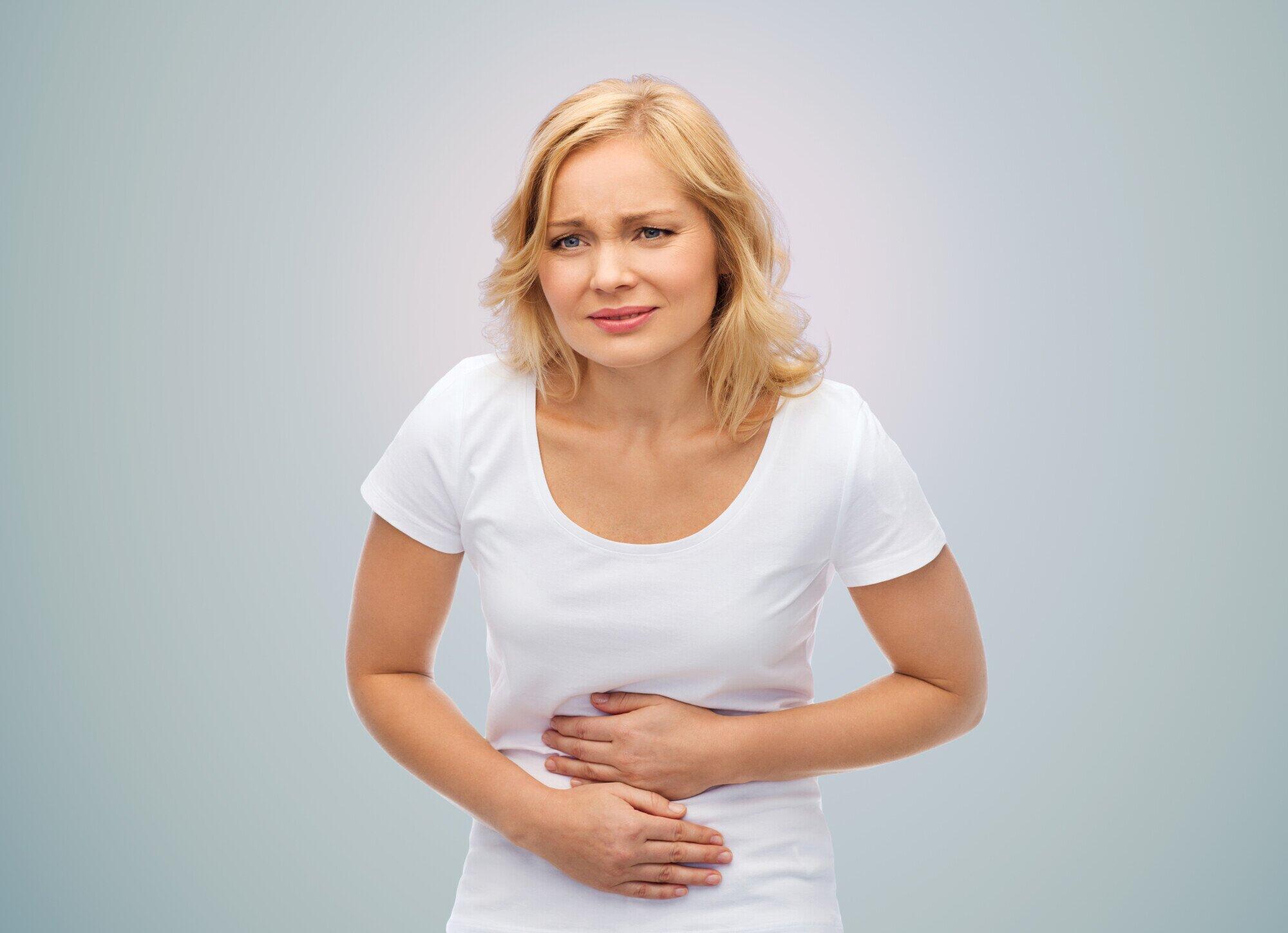
- Throbbing or aching in the lower abdomen that can radiate around the area
- Mild nausea
- Headaches
- Bloating
- Loose stools
- Fatigue
While these symptoms can be invasive at times, they shouldn’t cause you to put your life on pause to deal with them.
When to Worry
When pain becomes severe and you’re unable to function normally, it’s time to start asking for help. Schedule a visit to your doctor as soon as possible.
When this debilitating kind of pain includes heavy bleeding, large clots, or vomiting, make your way to the emergency room right away.
Ways to Ease Period Pain
The good news is that there are many ways to help ease typical period pain. It’s good to try all of them to see what does the trick for you. For many people, combining all of them makes for the best type of period pain management.
Heat Pads
If you’ve never tried applying warmth to your abdomen during a period before, now’s the time to start. The warmth soothes tense muscles and can help you relax against the pain.
Plus, it’s easy to make a substitute if you don’t own an electric heating pad or hot water bottle.
Take a sock and fill it with raw rice, then tie it off at the end. Pop it into the microwave for 2-minute intervals until it’s warm enough to soothe without burning. Apply to the most painful area for around 20 minutes at a time for natural period pain relief.
OTC Medication
Over-the-counter medication is a great help when your pain is at its worst. NSAIDs, such as ibuprofen, will do wonders at helping reduce overall pain and bloating.
Make sure to eat something while taking this medication so that you don’t upset your stomach.
Anti-Inflammation Practices
Reducing inflammation is your best tool for soothing menstrual cycle discomfort. Inflammation increases pain and can make those muscle cramps even worse.
Ways to bring down inflammation can include:
- Eating leafy greens, like kale and spinach
- Drinking tea, especially with added honey
- Limit processed sugars
- Avoid alcohol
- Practice deep breathing and meditation
Gentle Exercise
Most people don’t want to move at all during their roughest period days. However, even a little bit of motion can help reduce pain.
It also helps the uterine lining shed a little faster, so you won’t be in the cramping stage for as long. Maintaining your regular exercise regimen is one of the best things you can do to manage your period.
Good Hydration
Water is necessary to stay on top of your health, both during your period and off. Without adequate hydration, inflammation and bloating are more likely to cause havoc. It’s more difficult for your body to expel the lining when it’s running without good hydration.
Massage
Relaxing those tense muscles in your abdomen can easily be done by gently pressing on your stomach in continuous circles. The key is to find the right balance. Don’t press so hard that it causes pain, but don’t go so light that you barely feel anything.
If it hurts too much, stop massaging altogether.
Frequently Asked Questions
What Is the Hardest Day of a Period?
This varies from one person to the next, but many agree that the first or second day is the hardest. This is the time when bleeding is the heaviest, and your prostaglandins are at their highest, making cramps stronger than on subsequent days.
What Drink Stops Period Cramps?
No single drink stops cramps, but there are plenty of soothing anti-inflammatory drinks you can consume that can help with bloating and pain. Try drinking things like:
- Green tea
- Golden milk
- Ginger tea
- Chamomile tea
- Pomegranate juice
How to Stop Blood Clots During Period?
Clots are a natural part of the menstrual process, and it’s impossible to get rid of them completely. To minimize clot size, make sure to drink plenty of water, eat iron-rich foods, and engage in gentle exercise every day. Even a few minutes of walking around the house can make a difference.
Reduce Period Cramps With Kiwi
Dealing with painful period cramps every month can start to wear on a person. That’s why it’s important to explore helpful ways of getting the medication you need to feel like your best self.
When you choose to get help from Kiwi, you’re getting a service that’s backed by a pharmacy with over 40 years’ experience. We work hard to offer people lower prices without lowering the quality of the product. We believe no one should deal with pain issues without some help.
Check out our line of pain relief products to start managing your cramps as soon as possible!
Related Posts
How Common is Herpes? Understanding Prevalence Globally
September 24, 2026