
How to Prevent Cold-Weather Vascular Flares
Reading Time: 4 mins
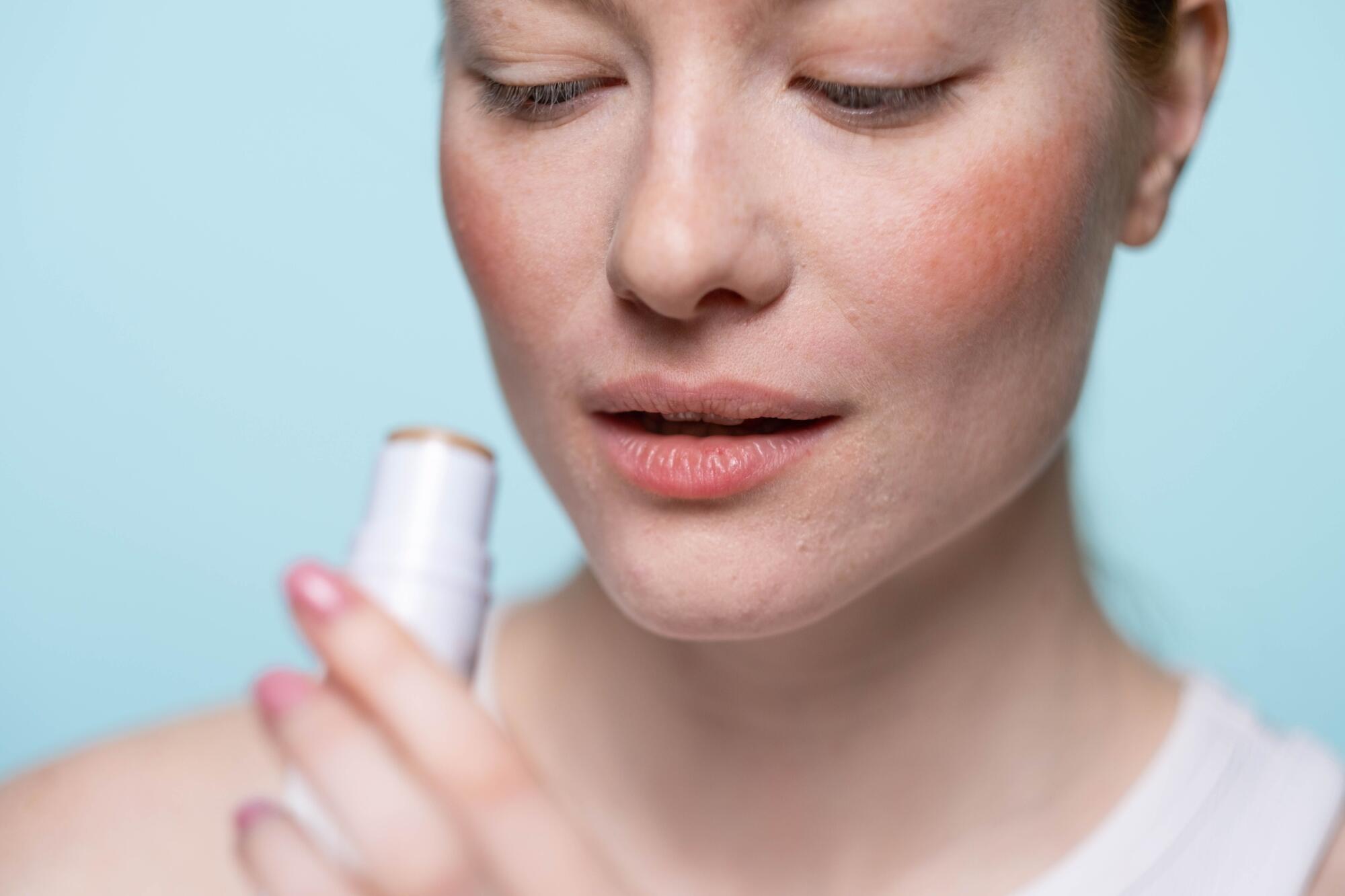
When you have rosacea, cold weather is particularly difficult on your face due to cold winds, low temperatures, dry air, and dramatic temperature swings. Gentle daily care, barrier protection, and the correct rosacea cream will help minimize irritation. However, if you have long-lasting redness and/or inflammation, continue to follow your doctor’s treatment advice.
Picture stepping out of a warm house and directly into a cold gust of wind, then going back inside. Your face feels like it is on fire. This quick temperature shift could be just as bad as the dry air for sensitive skin without treatment.
Why Do Your Blood Vessels Constrict When Cold?
Cold air, like windy and dry indoor heat, can cause your rosacea-prone skin to become less comfortable. Your skin discomfort will likely be worse in cold temperatures because it increases redness and makes you flush. In addition, low temperatures tend to weaken your skin’s natural ability to retain its moisture barrier. When the temperature drops, you could experience:
- Increased burning or stinging sensations
- Tightness
- Sensitivities from products you previously found acceptable
Can Weather Changes Trigger Rosacea?
Yes, weather can cause a person with rosacea to have an episode. In addition to many of the other cold-weather problems that people experience, a major factor for people who suffer from rosacea is going back and forth from the cold outdoors into warm buildings. These outdoor temperature triggers may contribute to flushing and irritation.
Common winter triggers include:
- Cold wind on exposed skin
- Dry indoor heating
- Rapid temperature changes
- Hot showers or overheated rooms
To get better cold weather rosacea protection, minimize direct wind exposure when you can. A soft scarf will protect your cheeks from the wind and won’t rub on sensitive areas of your face.
Build Winter Barrier Repair Into Your Routine
A simple routine can help you fix winter damage barriers with minimal irritation. It starts with finding a mild cleanser that doesn’t irritate your skin. Use lukewarm water to wash up. Find a fragrance-free moisturizer that does not irritate your skin.
Moisturizers will help prevent moisture from leaving your skin as well as assist in lipid barrier protection when the air is dry. Thicker moisturizers are often softer than thinner ones, and they are generally better for tightening or cracking of the skin or flaking that occurs in dry weather.
Avoid using multiple products at one time if you have an active flare. The more products you add to your regimen, the harder it is to determine which ones caused the irritation.
How Can Rosacea Cream Fit Into Cold Weather Care?
A rosacea cream may still be an option for you during the winter months, depending on what is causing your symptoms. While some topical creams are designed to treat the redness, the inflammation, or the bumps that appear from rosacea, prescription medications should be followed carefully as they were prescribed.
Use treatment after cleansing and drying the skin (unless otherwise instructed by your clinician or the product) and follow up with a moisturizer that is well-tolerated by your skin when needed. It is not necessary to use these treatments more frequently in the winter simply because it feels like your symptoms have worsened.
Contact a healthcare provider if a cream you have been using causes sudden burning or stinging. Dryness of the skin from cold weather may cause your skin to become even more sensitive to products you normally tolerate.
Strengthen Your Vascular Reactivity Defense Outdoors
Good vascular reactivity defense involves minimizing rapid changes in the environment as opposed to eliminating all potential triggers. Cover your face when winds are high. Spending long periods outside in extreme cold will reduce the likelihood of a flare-up.
Protection from the sun on a daily basis is also important in winter. Use of a sunscreen that is labeled as “broad-spectrum” and has an SPF rating of at least 30 will help protect you from ultraviolet light, which could cause further irritation to rosacea through exposure during the day. If feasible, gradually changing temperature extremes is best.
When Should You See a Dermatologist?
Cold temperatures may account for a seasonal pattern. However, cold is unlikely to account for all of the symptoms. When you have persistent redness, pain, or irritation in your eyes, seek medical attention from an appropriate health professional.
A dermatologist will determine if the symptoms are rosacea or another type of skin condition. They can assist you in adjusting treatment as needed once your typical treatments do not control flare-ups.
Frequently Asked Questions
Can Cold Weather Make Rosacea Worse?
Yes. Cold weather, wind, and dry indoor air are all factors that contribute to worsening symptoms of rosacea. Rapid temperature changes may also cause increased flushing. That’s why cold weather rosacea protection is so important.
What Moisturizer Is Best for Rosacea in Winter?
Look for a fragrance-free moisturizing product designed for sensitive skin. Using a thicker, creamier product may be beneficial if the drier winter months cause your skin to become taut and/or flaky.
Should I Change My Rosacea Cream in Winter?
Do not stop taking your present rosacea treatment unless informed otherwise by a physician. Continue using the same regimen all year-round.
However, if you find that your treatment is irritating or stinging after a drastic change in temperature, consult a health care provider prior to making an adjustment to how you are applying the product. They may be able to help you find a better alternative for you with fewer side effects.
Keep Winter Flare-Ups From Ruining the Season
The ideal way to take care of cold weather rosacea is to eliminate or minimize factors that cause irritation, while also creating a protective environment for your skin. Follow your dermatologist’s instructions when using your rosacea cream as directed.
We at Kiwi Drug provide treatment options for rosacea and a variety of rosacea products. Please contact our online doctor if you require prescription assistance. Before discussing other treatment options for your winter flares with a healthcare provider, review all your options. Then, discuss those alternative treatments with a healthcare provider.
Related Posts
5 Critical Mistakes Athletes Make When Expecting Overnight Relief
October 19, 2026