

Why Unnoticed Hormonal Shifts Trigger Sudden Tear Film Breakdown
Reading Time: 4 mins
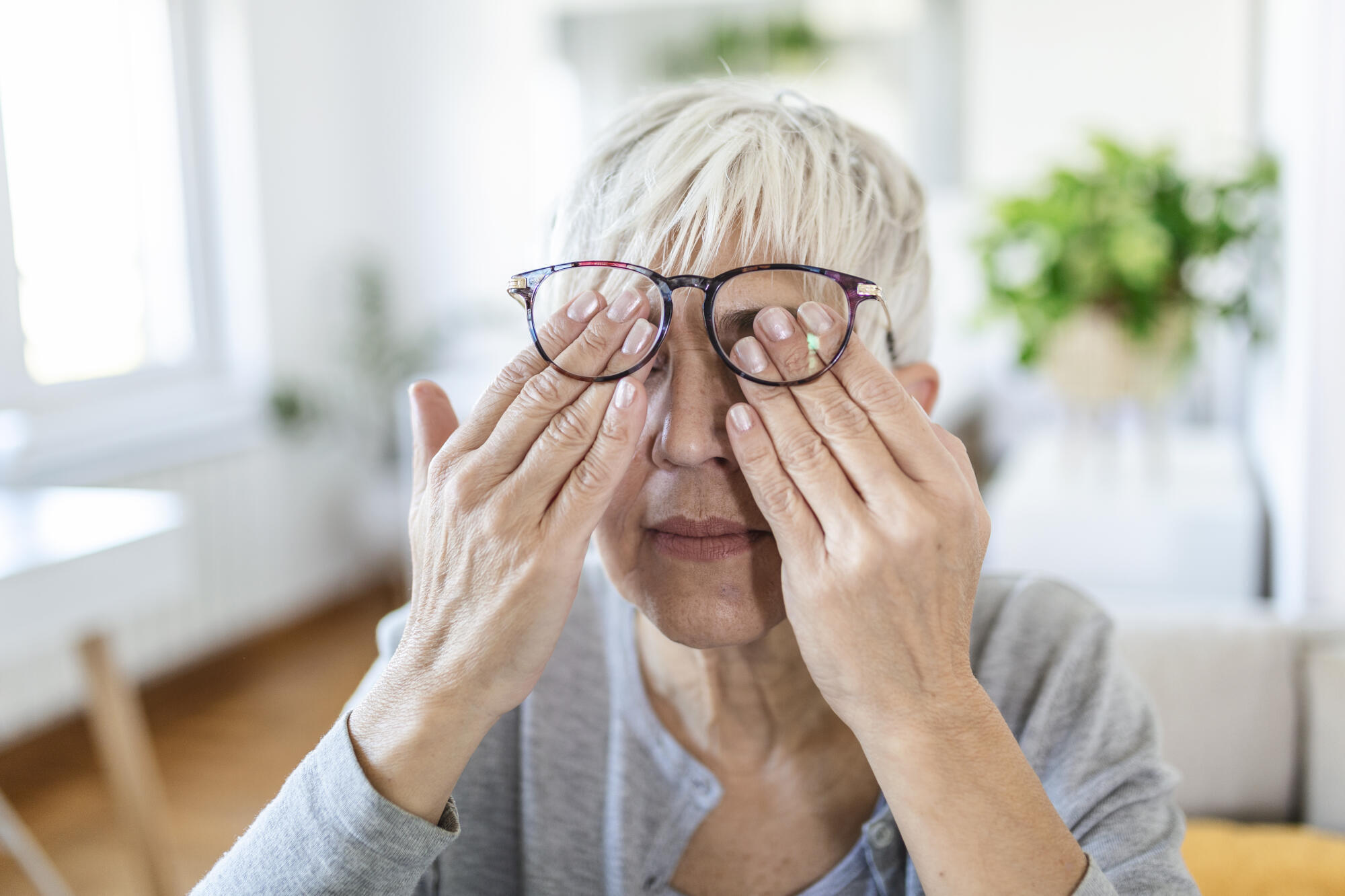
Dry eyes can develop unexpectedly, leaving your eyes feeling gritty, irritated, or unusually sensitive to light. According to Yale Medicine, dry eye disease is on the rise, with factors such as increased screen use and environmental conditions contributing to the problem. Hormonal fluctuations can also affect tear production and the stability of the tear film that protects your eyes.
If you are wondering what causes dry eyes all of a sudden, hormonal changes may be one possible explanation. During perimenopause, ocular changes can affect tear quality and the glands responsible for keeping the eyes lubricated. Meibomian gland dysfunction, which affects the oily layer of tears, may also contribute to moisture loss.
Here, we’ll explore these connections and discuss eye care products and online healthcare support available through us at Kiwi.
How Do Hormonal Changes Cause Sudden Dry Eyes?
Hormones help regulate several processes in the body, including the functions that keep the eyes comfortable and moist. Changes in hormone levels can affect tear production and the quality of the tear film, leaving the eye surface more vulnerable to dryness and irritation.
Perimenopause and menopause are important examples, as fluctuating estrogen and androgen levels may affect the glands responsible for producing the watery and oily components of tears. These changes can make existing dry eye symptoms more noticeable or cause new discomfort. Some common symptoms include:
- Burning, stinging, or gritty sensations
- Redness and sensitivity to light
- Blurred vision that comes and goes
Meibomian gland dysfunction can also contribute by reducing the oils that slow tear evaporation. Hormonal changes are one possible explanation for sudden dryness, although other conditions and environmental factors can produce similar symptoms.
What Other Factors Can Cause Dry Eyes to Appear Suddenly?
Hormonal changes are not the only possible explanation for sudden dry eyes. Environmental conditions, everyday habits, medications, and certain health conditions can all affect tear production or cause tears to evaporate more quickly.
Long periods of screen use may reduce blinking, while air conditioning, heating, wind, and dry weather can increase moisture loss. Contact lens use may also contribute to discomfort, particularly after extended wear.
Some medications, including certain antihistamines and antidepressants, can worsen dryness. Conditions such as diabetes and autoimmune disorders may also affect eye comfort and tear production.
Several factors can occur together, making the cause difficult to identify without professional advice. At Kiwi, our online doctor service offers a way to seek healthcare guidance about your symptoms and possible next steps, although an eye examination may still be necessary.
How Can You Relieve Sudden Dry Eye Symptoms?
Treatment depends on the cause and severity of the dryness. Lubricating eye drops can help moisturize the eye surface, reduce irritation, and provide temporary relief from uncomfortable symptoms.
Systane Ultra Lubricating Eye Drops are designed to relieve dryness, burning, stinging, and grittiness. They contain lubricating ingredients that help maintain moisture on the eye surface.
EvoTears is another option available through Kiwi, containing perfluorohexyloctane. Product suitability depends on individual needs, so the accompanying instructions remain important.
Everyday adjustments may also help. Reduced screen time, regular breaks, and less direct exposure to air conditioning can limit some common triggers. A humidifier may also help in particularly dry indoor environments.
Our range of eye care products provides options for people managing dry eye symptoms. Persistent discomfort, however, may require assessment by an eye care professional rather than relying on drops alone.
When Should You Worry About Sudden Dry Eyes?
Mild dryness may improve with lubricating drops and changes to your surroundings, but persistent or unexplained symptoms deserve attention. Professional assessment can help identify the cause and determine whether additional treatment is needed. The warning signs can include:
- Ongoing redness or eye discomfort
- Increased sensitivity to light
- Persistent blurred vision or other vision changes
- Excessive tearing alongside dryness
Sudden vision loss, severe eye pain, or significant changes in vision require urgent medical assessment. These symptoms may indicate a problem beyond ordinary dry eye disease.
At Kiwi, our online doctor service can help you seek guidance about symptoms and appropriate next steps. Products such as Ilube Eye Drops are also available through us.
Frequently Asked Questions
Can Dry Eyes Cause Watery Eyes?
Yes. Dryness can irritate the eye surface and trigger reflex tearing. However, these extra tears may not contain the right balance of oils and other components to keep the eyes lubricated effectively.
Can Perimenopause Affect Contact Lens Comfort?
Yes. Hormonal fluctuations during perimenopause may affect tear quality and eye moisture, making contact lenses feel uncomfortable. Persistent irritation may require an assessment by an eye care professional.
Does Meibomian Gland Dysfunction Go Away on Its Own?
Meibomian gland dysfunction may require ongoing management, depending on its cause and severity. An eye care professional can assess the glands and recommend suitable treatment to improve tear film stability.
Are All Dry Eye Drops the Same?
No. Eye drops differ in their ingredients and intended uses. Systane Ultra provides lubrication, while EvoTears contains perfluorohexyloctane. Ilube Eye Drops contain acetylcysteine. A pharmacist or eye care professional can help determine which product is appropriate for your symptoms.
Can Dehydration Make Dry Eyes Worse?
Yes. Not drinking enough fluids may contribute to dryness, although dehydration is not the only possible cause. Adequate fluid intake supports general health, while lubricating eye drops may help relieve symptoms. Persistent dryness may require professional assessment.
Can Kiwi Help Me Find Dry Eye Treatments?
At Kiwi, we offer eye care products, including Systane Ultra, EvoTears, and Ilube Eye Drops. Our online doctor service can also provide healthcare guidance and help you understand possible next steps.
What Causes Dry Eyes All of a Sudden? Find Hormonal Dry Eye Relief
Understanding what causes dry eyes all of a sudden can help you recognize potential triggers, including hormonal fluctuations, environmental conditions, and meibomian gland dysfunction. Sudden tear film instability may lead to irritation, grittiness, and blurred vision, but suitable care can help manage these symptoms.
At Kiwi, we offer eye care products such as Systane Ultra, EvoTears, and Ilube Eye Drops, alongside our online doctor service. Explore our available options for hormonal dry eye relief.
Related Posts

How Common Is Constipation? Understand the Prevalence
October 12, 2026