
Vaginal Thrush Prevalence: How Common Is This Condition?

Reading Time: 4 mins
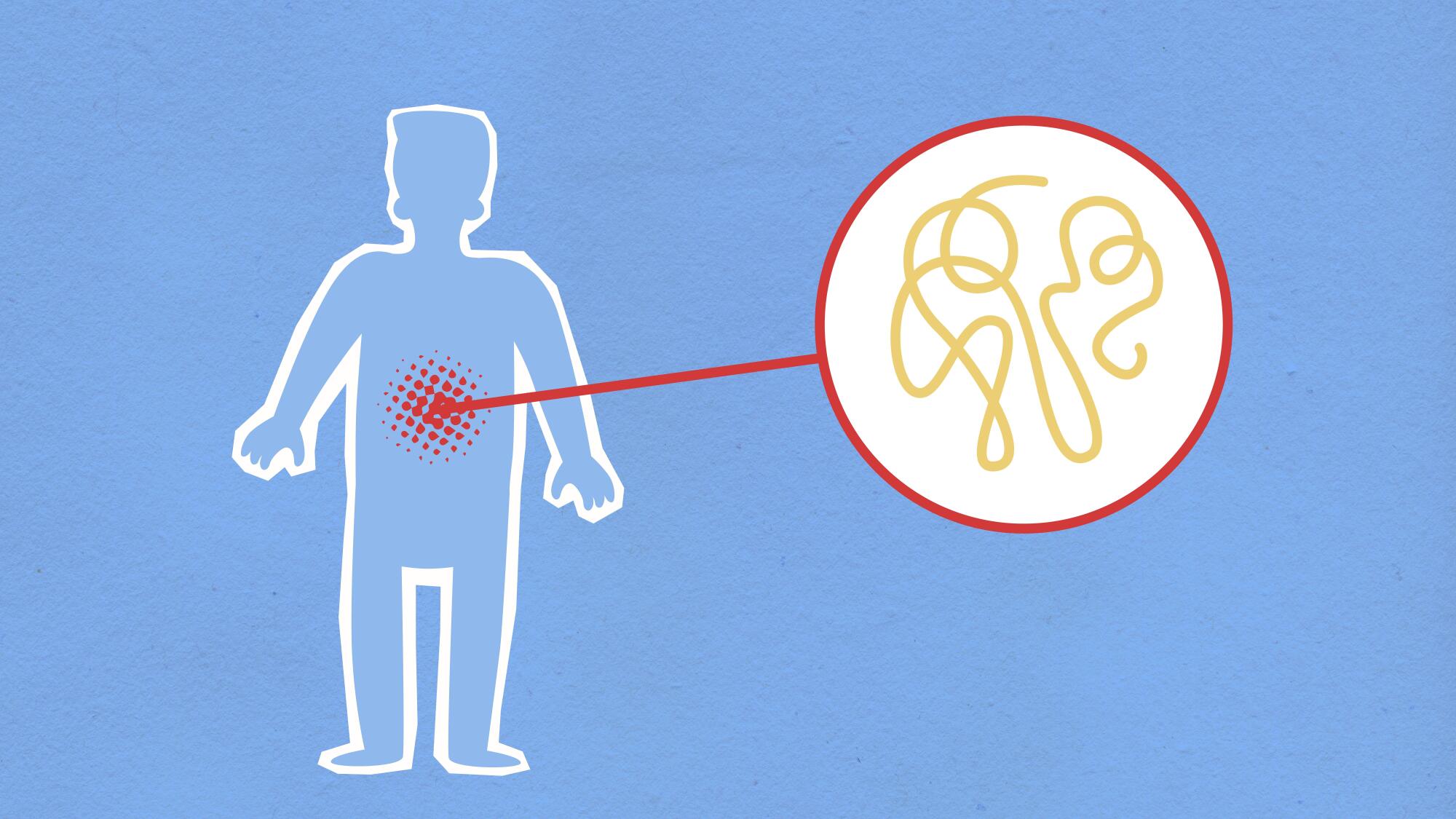
Vaginal thrush is one of the most common vaginal infections, with most women experiencing at least one episode during their lifetime. How common is thrush? The answer is that it affects millions of women worldwide, although recurring infections are far less common and often require additional medical evaluation.
A 2024 review published in Cell Host & Microbe reported that more than 70% of women experience vulvovaginal candidiasis at least once during their lifetime, while approximately 5% to 10% develop recurrent infections. Those figures highlight both how widespread the condition is and why persistent symptoms deserve medical evaluation.
Have you noticed persistent itching or unusual discharge and wondered whether it’s something more serious? Vaginal infections often share similar symptoms, making it difficult to identify the cause without the right information.
What Is Vaginal Thrush?
Vaginal thrush is a common fungal infection that develops when yeast grows beyond its normal level. The yeast involved is usually Candida, a fungus that naturally lives on the skin and inside the body without causing problems under normal conditions:
- Natural presence of Candida
- How an infection develops
- Common symptoms
- Colonization versus infection
- Why prevalence matters
Natural Presence of Candida
Most women have small amounts of Candida in the vagina at some point. Healthy bacteria usually keep the yeast under control.
The balance can change after:
- Illness
- Hormone shifts
- Certain medications
When that happens, the yeast may multiply and trigger vaginal thrush.
How an Infection Develops
A yeast overgrowth irritates the lining of the vagina and surrounding skin. That irritation leads to the symptoms many people recognize.
The condition is not usually considered a sexually transmitted infection. It can occur even without recent sexual activity.
Common Symptoms
Many women first notice thrush symptoms such as intense itching or burning. Thick white discharge is another well-known sign.
Some people develop redness, swelling, or discomfort during urination or sex. Symptoms range from mild irritation to pain that interferes with daily life.
Colonization Versus Infection
Finding Candida does not always mean treatment is needed. Some women carry the yeast without symptoms.
Doctors call this colonization. An infection develops only after the yeast causes irritation and noticeable symptoms.
Why Prevalence Matters
Knowing that vaginal thrush is common can reduce unnecessary worry. It also reminds people that familiar symptoms deserve proper evaluation. Several other conditions can look similar, so an accurate diagnosis remains an important part of protecting long-term vaginal health.
Who Is Most Likely to Develop Vaginal Thrush?
Vaginal thrush can affect women of any age after puberty. Certain situations make Candida overgrowth more likely:
- Pregnancy
- Antibiotics
- Diabetes
- Immune system changes
- Individual susceptibility
Pregnancy
Hormone levels rise throughout pregnancy. Those hormonal changes can encourage Candida overgrowth and increase the chance of infection. Vaginal thrush is common during pregnancy, though it should still be diagnosed and treated under medical guidance.
Antibiotics
Antibiotics kill harmful bacteria that cause infections. They can also reduce healthy bacteria that normally keep yeast under control. That shift gives Candida a chance to multiply. Some women notice symptoms within days of finishing a course of antibiotics.
Diabetes
Women with poorly controlled diabetes face a higher risk of vaginal thrush. Higher blood sugar levels create conditions that encourage yeast growth. Better blood sugar control often lowers the chance of repeated infections.
Immune System Changes
The immune system plays an important role in controlling Candida. People with weakened immune defenses may develop infections more often. In some cases, recurring symptoms prompt doctors to look for an underlying medical condition.
Individual Susceptibility
Not every woman with these vaginal thrush risk factors develops an infection. Genetics, the balance of natural vaginal bacteria, and individual immune responses all influence risk. Those differences explain why some women experience only one episode, while others face repeated infections over time.
Why Vaginal Thrush Can Be Mistaken for Other Conditions
A vaginal yeast infection often causes itching, irritation, and changes in vaginal discharge. Those symptoms can closely resemble bacterial vaginosis or certain sexually transmitted infections.
Each condition has a different cause. Each one requires a different treatment. Using the wrong medication may delay recovery and leave symptoms unchanged.
Noninfectious Causes
Not every episode of itching or irritation comes from an infection. Some women react to:
- Scented soaps
- Laundry products
- Menstrual items
That irritation can resemble vaginal symptoms caused by yeast. Skin conditions that affect the vulva can produce similar discomfort as well. These problems need different care than a Candida infection.
Medical Evaluation
Recurring symptoms deserve a professional assessment instead of repeated self-treatment. A healthcare provider reviews your symptoms and medical history before recommending treatment.
They may identify another condition that better explains the irritation. This step becomes even more important after several recurrent infections or treatment failures.
Frequently Asked Questions
What Is Recurrent Vulvovaginal Candidiasis?
Recurrent vulvovaginal candidiasis is the medical term for four or more confirmed yeast infections within one year. It differs from occasional infections that clear with standard treatment.
Doctors may recommend additional testing to look for contributing factors, confirm the diagnosis, and identify the specific type of Candida involved before choosing a longer treatment plan.
Can Vaginal Thrush Go Away Without Treatment?
Some mild infections improve without medication if the body’s natural balance returns. Even so, symptoms may last longer and remain uncomfortable.
Untreated infections can continue to cause irritation or return soon after seeming to improve. Medical advice is especially important during pregnancy or if symptoms are severe.
Can Men Develop Candida Infections From A Partner?
Men can develop a yeast infection on the penis, though it is less common than vaginal thrush. Symptoms may include:
- Redness
- Itching
- Irritation
Routine treatment of sexual partners is not usually recommended unless they have symptoms or a healthcare provider advises otherwise.
How Common Is Thrush?
How common is thrush? Vaginal thrush affects millions of women, yet recurring infections remain far less frequent.
Kiwi is an international online pharmacy committed to making quality healthcare more affordable. We combine competitive pricing with fast shipping, secure SSL-protected ordering, and a global network of licensed pharmacies across New Zealand, Australia, the UK, the USA, Canada, and India. Our pharmacists are fully registered, regularly audited by Medsafe, and dedicated to delivering trusted products and professional service worldwide.
Get in touch today to find out how we can help with your prescription needs.
Works Cited:
https://www.kiwidrug.com/thrush/
https://www.kiwidrug.com/online-doctor/
https://www.sciencedirect.com/science/article/pii/S1931312824003251
https://www.mayoclinic.org/diseases-conditions/yeast-infection/symptoms-causes/syc-20378999
https://www.hopkinsmedicine.org/health/conditions-and-diseases/staying-healthy-during-pregnancy/hormones-during-pregnancy
Related Posts

Say Goodbye to Nighttime Acid Reflux Forever
August 28, 2026