
How Common is Herpes? Understanding Prevalence Globally
Reading Time: 4 mins
How common is herpes? The answer splits into two distinct types, HSV-1 and HSV-2, that behave differently in the body. Oral herpes is most often linked to HSV-1, which can also cause genital infections, while HSV-2 is mainly transmitted sexually and is associated with genital herpes. Your risk and type of infection depend on factors such as location, sex, and age.
The World Health Organization reports that approximately 3,800 million individuals younger than age 50 worldwide, or about 64% of that age group, live with HSV-1. HSV-2 carries a smaller but still notable burden globally.
Global averages like these only tell part of the story. By understanding what shapes these patterns, you can better place your own risk in context and approach the topic with clearer information rather than assumptions.
How Common Is Herpes in Adults?
While a much higher proportion of people under 50 have HSV-1, approximately 13% of people ages 15 to 49 have HSV-2 worldwide. This means that roughly 520 million people in this age group live with HSV-2.
These herpes facts show that both types of herpes are widespread, although HSV-1 affects a much larger share of the population. The difference also reflects the distinct transmission patterns associated with the two viruses.
When reviewing herpes statistics, consider the virus type and age group behind each figure. This gives you a clearer picture of how widespread herpes is among adults, rather than relying on herpes myths.
Which Countries or Regions Have the Highest Herpes Rates?
HSV-1 prevalence among people aged 0 to 49 varies considerably by region:
- Africa: 87% of women and men
- Eastern Mediterranean: 75% of women and men
- Europe: 69% of women and 61% of men
- Americas: 49% of women and 39% of men
Africa leads globally, with the highest burden of any region tracked by WHO. The Americas, including the US, show the lowest rates, largely due to better childhood hygiene that delays exposure.
That delay shifts risk rather than removing it. People who avoid HSV-1 as children often acquire it genitally through oral sex as adults, which is why most of the 140 million genital HSV-1 infections are concentrated in the Americas and Europe.
Women show slightly higher HSV-1 prevalence than men across the US, Europe, and the Middle East, a gap that widens further with HSV-2. This comes down to transmission biology, namely greater genital surface area exposed during sex and more efficient male-to-female transmission.
What Does Herpes Look and Feel Like?
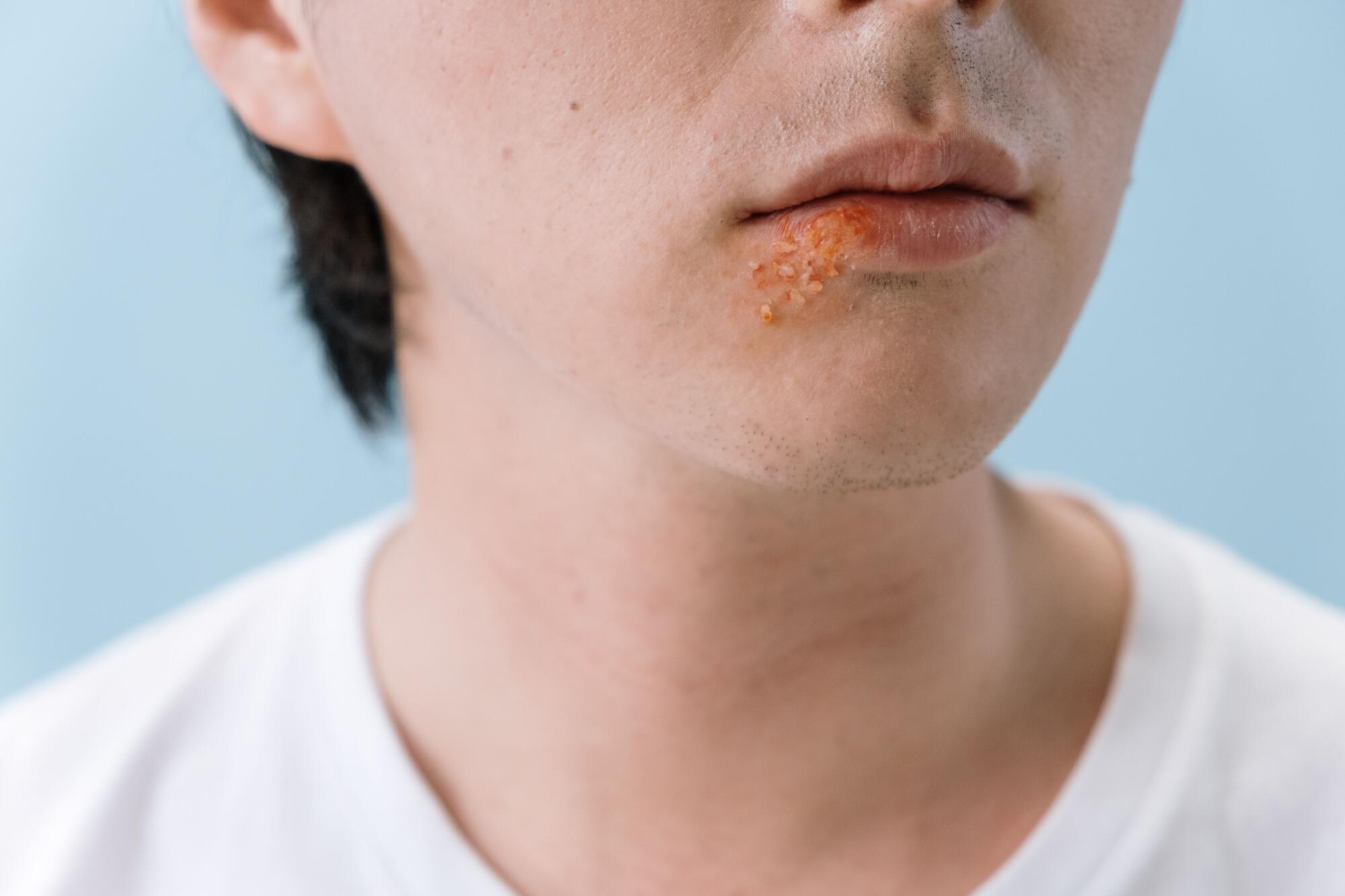
Herpes symptoms vary widely between people. Some individuals show no apparent symptoms, while others experience recurring episodes of varying severity. Oral herpes tends to affect the mouth area, while genital herpes primarily occurs on or near the genitals. You may notice:
- Painful blisters
- Open sores
- Itching or burning
- Pain during urination
Symptoms tend to be more noticeable during a first outbreak, and recurrences are often shorter or milder afterward. Because other conditions can cause similar symptoms, you shouldn’t rely on appearance alone to determine whether you have herpes.
Why Herpes Is So Widespread Worldwide
HSV spreads through direct contact with an infected area, and it persists in the body once you’re infected. However, either type of herpes infection can occasionally show up at a site other than its usual one.
A lot of that spread happens without anyone noticing. The virus can shed from the skin with no symptoms present, so a person can pass it on without knowing they’re infectious. A few other factors reinforce this pattern, including:
- Lifelong, incurable infection
- Frequent exposure in early childhood
- Outbreaks that recur over a lifetime
Together, these factors explain the global herpes statistics seen across different populations. They also explain why visible outbreaks account for only part of total infections.
Herpes Treatment
No medication removes HSV from the body once you’re infected. Antivirals can control symptoms, shorten outbreaks, and reduce how often they recur. Common prescription options include:
- Acyclovir
- Valacyclovir
- Famciclovir
Treatment generally follows two approaches. Episodic treatment, taken when an outbreak begins, can shorten it and ease symptoms if started promptly.
Suppressive treatment means taking an antiviral regularly. This helps reduce recurrence and, for some with genital HSV-2, lowers the possibility of passing the virus to a partner.
The right medicine and dosing can depend on your infection, symptoms, and history. A healthcare professional can help determine the best approach. At Kiwi, herpes treatment is one of dozens of condition categories we carry through our network of licensed pharmacies.
Frequently Asked Questions
Does Having Hsv-1 Protect You From Getting Hsv-2, or Vice Versa?
Prior HSV-1 infection can make a first HSV-2 infection milder, since your immune system already recognizes some similarities between the two viruses. This is because both viruses share certain proteins, so existing antibodies offer partial cross-reactivity. It doesn’t prevent HSV-2 infection altogether, though, and the protection doesn’t work as well in reverse.
How Soon After Exposure Can You Test Positive for Herpes?
Blood antibody tests typically take 12 to 16 weeks after exposure to reliably detect an infection. Your immune system needs that time to build antibody levels high enough to register on a standard test.
Testing too early can produce a false negative, even if you’re actually infected. If you suspect recent exposure, your healthcare provider may recommend retesting after this window closes.
Is HSV-1 the Same as Genital Herpes?
No, HSV-1 and genital herpes aren’t the same thing, though they can overlap. HSV-1 is most commonly associated with oral herpes affecting the mouth, but it can also lead to genital herpes when transmitted during oral sex. Genital herpes itself can result from either type of HSV, with HSV-2 being the more common cause.
Find the Right Herpes Treatment Today
How common is herpes? Billions of people worldwide carry HSV-1 or HSV-2. Getting tested tells you where you stand, and the right treatment plan takes it from there.
At Kiwi, we’ve served international customers since 2005, backed by a New Zealand pharmacy with over 40 years in operation. We ship licensed, regulated products across New Zealand, Australia, the UK, the USA, Canada, and India, covering herpes treatment, weight loss, and men’s and women’s health.
We pack, ship, and support every order with our guaranteed delivery promise, backed by licensed doctors and pharmacists. Contact us, and we’ll help you find the right herpes treatment.
Related Posts

Say Goodbye to Nighttime Acid Reflux Forever
August 28, 2026