

How to Identify and Alleviate Gout Symptoms Effectively
Reading Time: 4 mins
Gout symptoms can appear suddenly and cause intense joint pain, swelling, and redness that often makes movement difficult. Early recognition and fast treatment play a key role in reducing discomfort and shortening the duration of an attack. Gout pain relief is most effective when treatment begins as soon as symptoms start.
Around 4% to 5% of American adults are affected by gout, making it a common form of inflammatory arthritis. Attacks often come without warning and can be severe enough to disrupt daily activities and sleep.
In this blog post, we explain how to identify gout flare-ups, what causes them, and the most effective ways of managing gout attacks. We also look at treatment options available through Kiwi, including prescription support and access to trusted medications designed to help reduce pain and inflammation.
What Is the Main Cause of Gout Symptoms?
Gout symptoms are caused by a buildup of uric acid in the blood. When levels become too high, sharp crystals can form in and around joints. These crystals trigger inflammation, which leads to:
- Sudden pain
- Swelling
- Redness
Diet is a common contributing factor. Foods high in purines, such as red meat, organ meats, and certain seafood, can increase uric acid production. Alcohol, especially beer and spirits, can also raise risk levels and make flare-ups more likely.
Other factors include being overweight, dehydration, and certain medical conditions that affect kidney function. Some medications may also reduce the body’s ability to remove uric acid effectively. Genetics can play a role as well, which is why gout often runs in families.
Managing uric acid levels is key to reducing attacks over time. Without control, crystals can continue forming, leading to repeated flare-ups and ongoing joint damage.
How to Confirm Gout Flare?
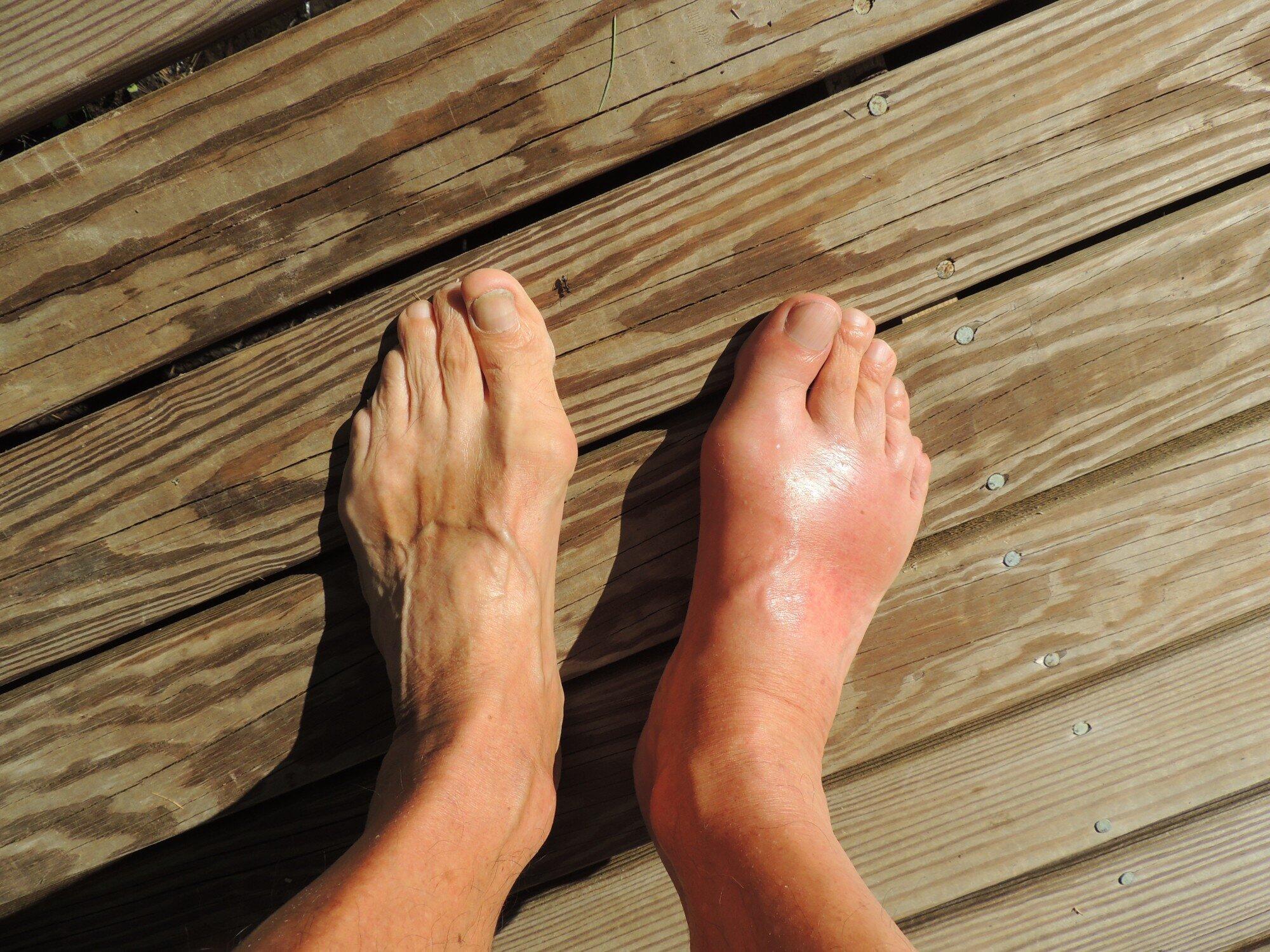
A gout flare is usually identified by sudden and intense joint pain. It often begins at night and may affect the big toe, although ankles, knees, and fingers can also be involved. The affected joint typically becomes:
- Red
- Swollen
- Extremely sensitive to touch
The pattern of symptoms helps distinguish gout from other joint conditions. Pain tends to peak quickly within hours and can feel sharp or burning. Even light pressure, such as a bedsheet, may cause significant discomfort.
Medical confirmation may involve a physical examination, blood tests to check uric acid levels, or joint fluid analysis. These tests help rule out infections or other inflammatory conditions that can mimic gout symptoms.
Early identification is important because treatment is most effective when started quickly. Kiwi provides access to Online Doctor consultations, which can help assess symptoms and guide appropriate treatment options when a flare is suspected.
How to Reduce Gout Symptoms Quickly?
Reducing gout symptoms quickly depends on early treatment and inflammation control. The sooner medication is taken after a flare begins, the better the chance of reducing pain and shortening the attack.
Colchicine is commonly used to treat acute gout attacks by reducing inflammation caused by uric acid crystals. At Kiwi, treatments such as Colchicine and Goutnil are available through licensed pharmacies, supporting effective gout pain relief when symptoms start.
Resting the affected joint can also help reduce strain and discomfort. Elevating the limb and avoiding pressure on the joint may ease swelling. Staying well hydrated supports the body’s natural ability to process uric acid.
Dietary adjustments during a flare can also help. Avoiding alcohol and high-purine foods may reduce further uric acid buildup. While these steps help manage symptoms, medication is often needed for faster and more reliable relief.
Long-Term Strategies for Managing Gout Attacks
Managing gout attacks long term focuses on reducing uric acid levels and preventing future flares. Without ongoing control, crystals can continue to build up in joints, leading to repeated episodes of pain and inflammation.
Lifestyle changes play a key role. Maintaining a healthy weight, drinking enough water, and reducing alcohol intake can help lower uric acid levels. Adjusting diet to limit high-purine foods may also reduce flare frequency.
In some cases, long-term medication is required to control uric acid production or improve its removal from the body. These treatments are usually prescribed after a medical assessment and are tailored to individual needs.
Consistent management is important for preventing joint damage over time. Kiwi supports ongoing care by offering access to gout treatments and Online Doctor services, helping people manage the condition more effectively and reduce the impact of future attacks.
Frequently Asked Questions
What Are the First Signs of a Gout Flare?
Early gout symptoms usually include sudden joint pain, most often in the big toe. The area may become red, swollen, warm, and extremely sensitive, even to light touch. Symptoms often appear quickly, sometimes overnight.
How Long Does a Gout Attack Usually Last?
A gout flare can last from a few days to about two weeks if untreated. With early gout pain relief, symptoms may improve more quickly. The severity and timing depend on how soon treatment begins.
Can Gout Go Away on Its Own?
Gout symptoms may reduce without treatment, but the underlying condition remains. Without proper management, uric acid levels can stay high and lead to repeated gout attacks.
What Helps Reduce Pain During a Flare?
Resting the joint, staying hydrated, and using prescribed medication can help reduce inflammation. At Kiwi, treatments like colchicine and Goutnil are available to support managing gout attacks effectively.
Is Gout a Long-Term Condition?
Gout can become chronic if uric acid levels are not controlled. Ongoing treatment and lifestyle changes help reduce flare frequency and protect joint health over time.
Take Control Of Gout Symptoms With Kiwi
Gout symptoms can be painful and disruptive, but early recognition and the right treatment can make a significant difference. Understanding the symptoms of gout helps you act quickly and reduce the severity of flare-ups. With proper care, it is possible to manage pain, limit inflammation, and reduce the frequency of attacks over time.
At Kiwi, we offer access to trusted gout treatments, including prescription options and Online Doctor support when needed. Explore our range to find effective solutions that fit your needs and take a proactive step toward better control of gout symptoms and long-term joint health.
Related Posts

How Common Is Constipation? Understand the Prevalence
October 12, 2026