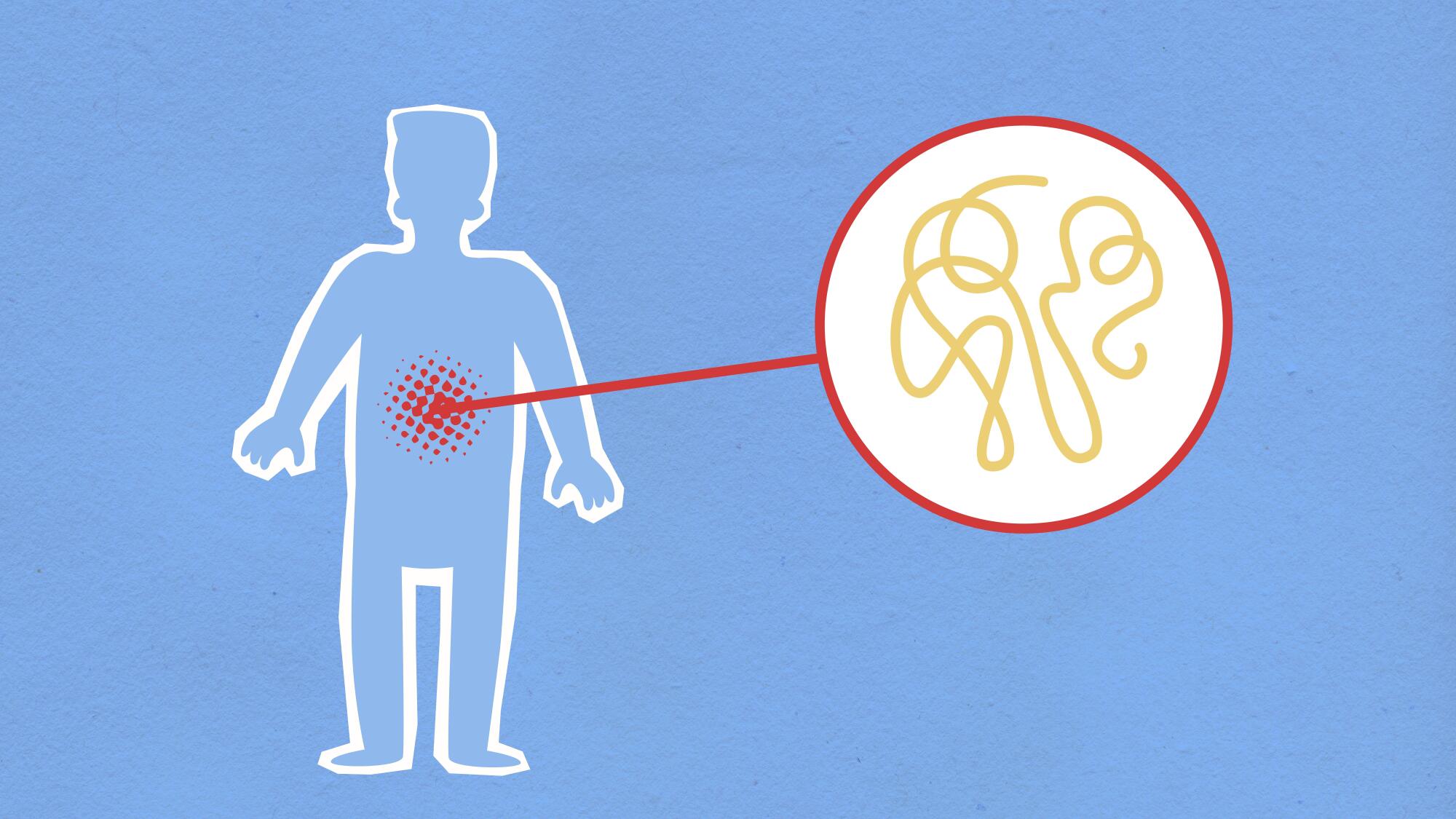

7 Essential Diabetes Symptoms You Shouldn’t Ignore
Reading Time: 4 mins
Diabetes symptoms often begin subtly, with increased thirst, fatigue, and frequent urination that can be easy to dismiss at first. Catching these early changes can make a meaningful difference in managing blood sugar levels and preventing long-term complications.
Diabetes is more common than many realize. According to the Centers for Disease Control and Prevention, more than 40 million Americans are living with diabetes, with millions more undiagnosed.
That’s why recognizing the earliest warning signs matters. Your body often sends quiet signals before a bigger problem develops.
What Are Diabetes Symptoms and Why Do They Matter?
Diabetes symptoms occur when blood sugar levels remain elevated over time, affecting how your body uses insulin. These blood sugar warning signs can appear gradually, especially in type 2 diabetes, making them easy to overlook.
The earlier you connect the dots, the more control you have over long-term health outcomes. Left untreated, diabetes can affect the:
- Heart
- Kidneys
- Nerves
- Vision
Many people first notice patterns that align with a prediabetes symptoms checklist, where symptoms feel mild but consistent over time.
1. Frequent Urination
One of the most noticeable type 2 diabetes indicators is the increasing need to urinate, especially during the night. Excess sugar in the bloodstream forces the kidneys to work harder, pulling fluids from your tissues.
This process increases urine production and can disrupt sleep patterns, and frequent nighttime bathroom trips are often one of the earliest red flags.
2. Increased Thirst
Frequent urination often leads to dehydration, which triggers persistent thirst. You may find yourself drinking more water than usual without feeling fully satisfied.
This cycle of fluid loss and replacement is one of the classic hidden symptoms of diabetes, and when hydration never quite “catches up,” it’s worth paying attention.
3. Unexplained Fatigue
Feeling unusually tired can be one of the earliest signals linked to a blood sugar imbalance. When glucose can’t enter your cells efficiently, your body struggles to produce energy, meaning your cells are essentially running low on usable fuel.
This fatigue can persist even after rest and may worsen throughout the day.
4. Blurred Vision
High blood sugar levels can cause fluid shifts in the lenses of your eyes, leading to temporary blurred vision. This symptom may come and go, especially in the early stages.
Vision changes that appear suddenly shouldn’t be brushed off as screen fatigue, particularly if they occur alongside other symptoms.
5. Slow-Healing Cuts and Wounds
Delayed healing is another important sign to watch. Elevated blood sugar affects circulation and weakens the immune response, making it harder for the body to repair itself.
Even minor cuts or bruises may take longer than expected to heal, since your body’s repair systems are working less efficiently.
6. Tingling or Numbness in Hands and Feet
Nerve damage, known as neuropathy, can begin early in some cases. You might notice tingling, numbness, or a burning sensation in your extremities, and these subtle nerve changes are often gradual but progressive.
This symptom can worsen over time without proper management.
7. Increased Hunger
Despite eating regularly, you may feel hungrier than usual. This happens because your body isn’t effectively using glucose for energy.
As a result, your brain signals the need for more fuel, even when enough food has been consumed, and feeling hungry shortly after eating can signal inefficient energy use.
When Should You Be Concerned About Diabetes Symptoms?
Occasional symptoms may not always indicate a serious issue, but consistent patterns should not be ignored.
Watch for these warning signs:
- Multiple symptoms occurring together
- Symptoms that persist for several weeks
- Sudden changes in vision or energy levels
- Frequent infections or slow recovery
- Unexplained weight changes
According to the National Institute of Diabetes and Digestive and Kidney Diseases, early diagnosis and treatment can significantly reduce the risk of complications.
How Can You Manage or Reduce Your Risk?
Managing diabetes or reducing your risk often starts with simple lifestyle adjustments. These changes support stable blood sugar levels and overall health.
For a deeper look at practical strategies, these diabetes management tips break down actionable ways to stay on track long term:
- Maintain a balanced diet with controlled sugar intake
- Stay physically active throughout the week
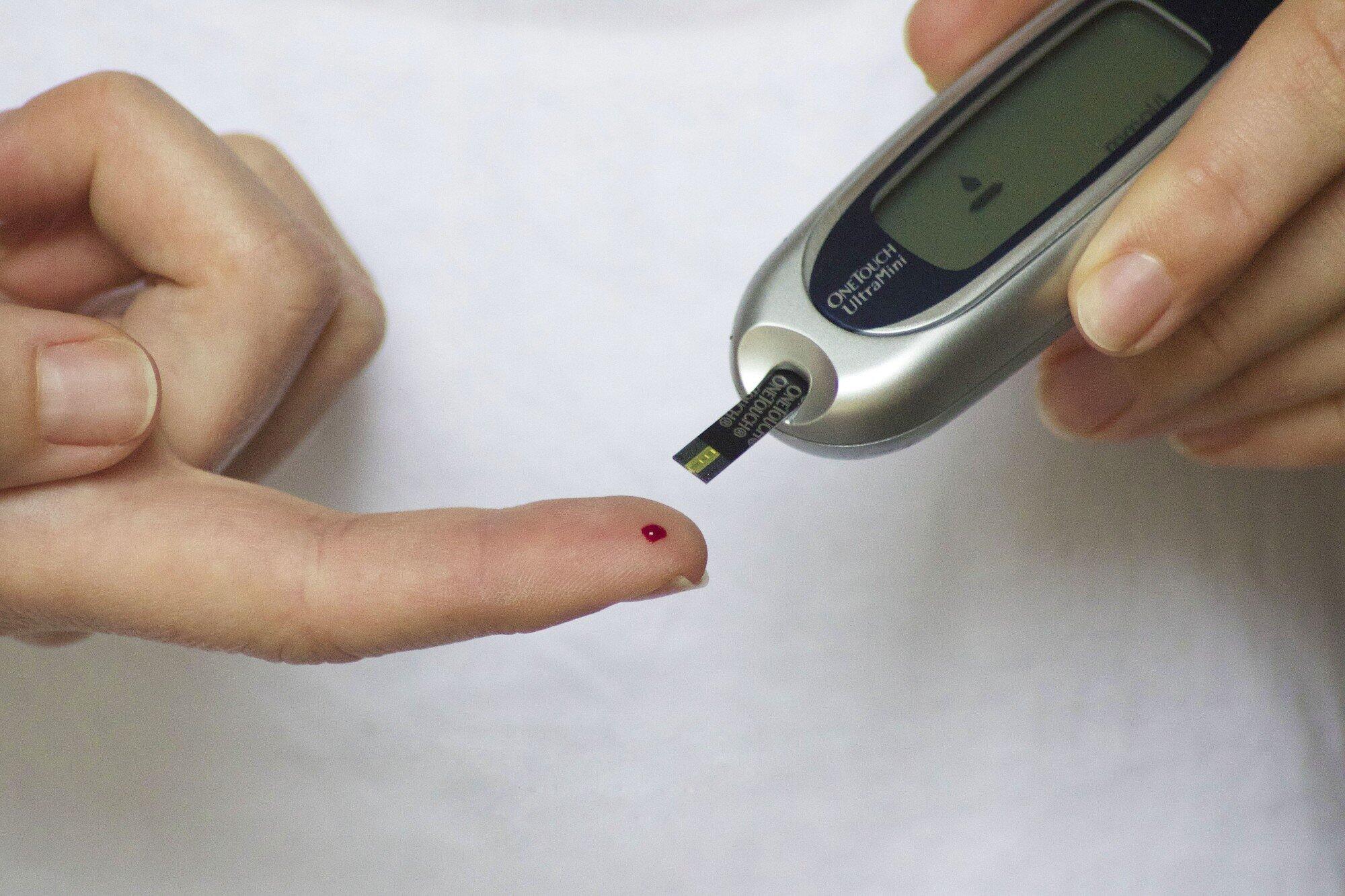
- Monitor blood sugar levels if recommended
- Maintain a healthy weight
- Schedule regular health checkups
In some cases, medication may be necessary, and consistent habits, not quick fixes, make the biggest difference over time.
Frequently Asked Questions
Can Diabetes Symptoms Be Mistaken for Other Conditions?
Yes, many diabetes symptoms overlap with other conditions, like:
- Dehydration
- Stress
- Hormonal imbalances
Fatigue, thirst, and frequent urination can have multiple causes, which is why tracking patterns over time is important.
Do Diabetes Symptoms Always Appear Suddenly?
No, especially in type 2 diabetes. Symptoms often develop gradually, making them harder to notice. Some people may live with mild symptoms for years before receiving a diagnosis.
Can You Have Diabetes Without Noticeable Symptoms?
Yes. Some individuals experience very mild or no obvious symptoms, particularly in the early stages. Routine screenings and blood tests are often the only way to detect it early.
Why Do Symptoms Seem Worse at Certain Times?
Symptoms can fluctuate based on diet, activity levels, hydration, and stress. For example, consuming high-sugar meals may temporarily intensify symptoms like fatigue or thirst.
Is It Possible to Reverse Early Diabetes Symptoms?
In some cases, early intervention through diet, exercise, and medical guidance can help manage or even reverse prediabetes. Taking action early gives you the best chance of improving long-term outcomes.
Take Control of Your Health Today
Diabetes symptoms may start small, but they can quickly impact your daily life if left unaddressed. Recognizing these early warning signs gives you the opportunity to act before complications develop. The most powerful step is recognizing patterns early and responding with intention.
Kiwi makes it easier to access trusted medications and expert support from the comfort of your home. With over 40 years of pharmacy experience and savings of up to 50% compared to local pharmacies, you can find reliable solutions tailored to your needs.
Browse the Kiwi online pharmacy today and take the next steps toward better health.
References:
- https://www.cdc.gov/diabetes/about/about-type-2-diabetes.html
- https://pmc.ncbi.nlm.nih.gov/articles/PMC12551018/
- https://www.niddk.nih.gov/health-information/diabetes/overview/symptoms-causes
Related Posts

How Common is Herpes? Understanding Prevalence Globally
September 24, 2026