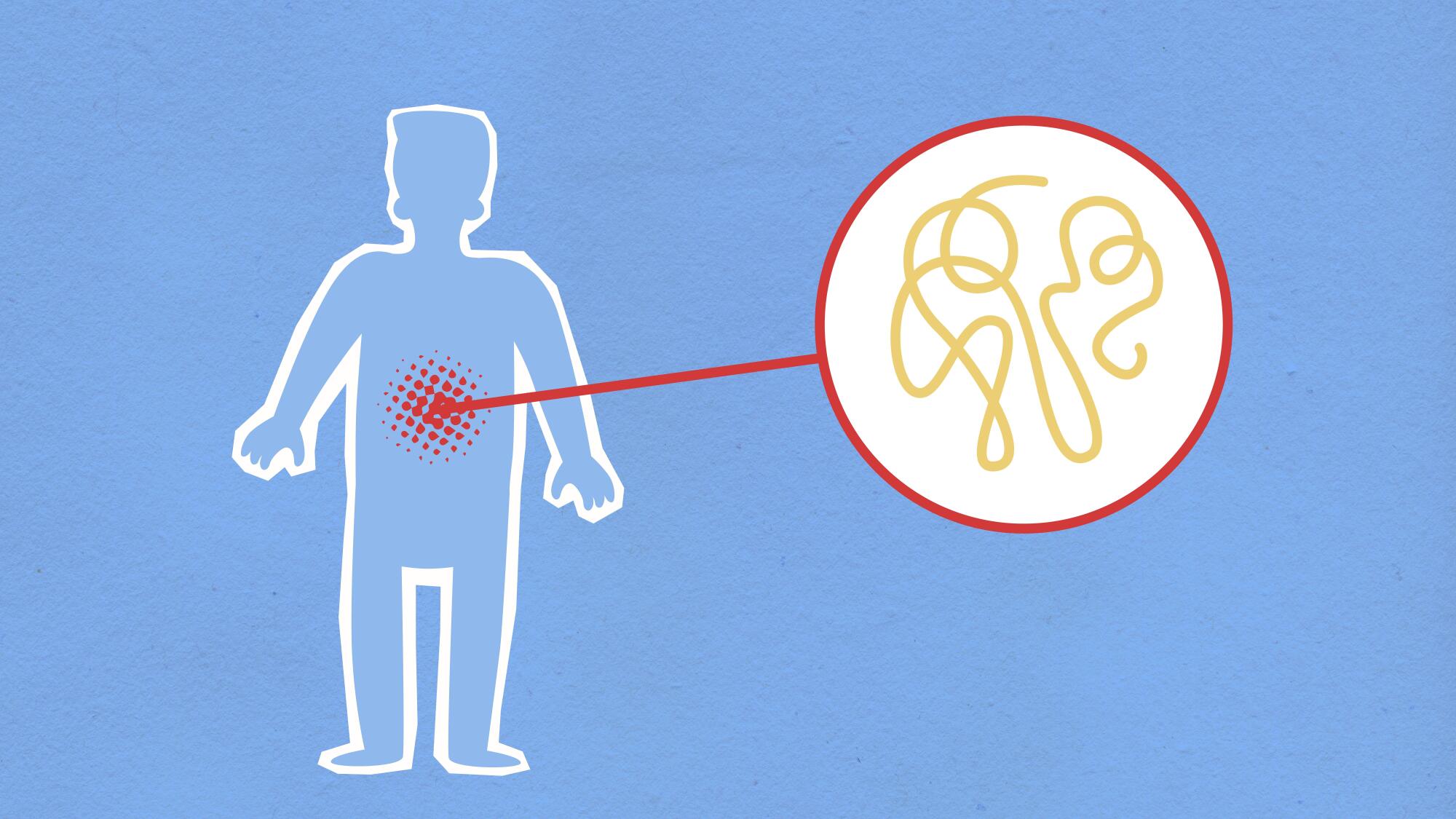

How Malaria Is Treated: Comprehensive Guide for Patients
Reading Time: 4 mins
The core of malaria treatment is with certain medications that kill the parasite in the bloodstream. In more severe cases, doctors may use an IV artesunate for more immediate treatment.
According to the CDC, there were roughly 249 million malaria cases in 2022 alone. It’s one of the most severe public health problems, and it’s a leading cause of death in many countries. Seeking treatment is the best option for survival.
So, how is malaria treated, and how can you avoid infection?
Understanding Malaria Treatment
The primary goal of malaria treatment is to eliminate the parasite from the bloodstream as fast as possible. Prompt treatment prevents complications and reduces the risk of death. It can also limit the spread of infection to others.
Treatment begins right after diagnosis, which is confirmed through blood tests. Keeping an eye out for symptoms, such as poor digestion and flu-like illness, should quicken your response time.
Doctors determine the best approach based on:
- The Plasmodium species involved
- Severity of symptoms
- Geographic region where the infection occurred
- Patient age and medical history
How Is Malaria Treated?
The first and most effective option for treatment is using antimalarial medications. The most used options include the following.
1. Artemisinin-Based Combination Therapies (ACTs)
ACTs are the first line of treatment in most parts of the world that deal with malaria.
How they work is you combine two drugs to improve effectiveness. This reduces drug resistance and works quickly against Plasmodium falciparum, the most dangerous strain.
An example of two drugs combined is artemether-lumefantrine.
2. Chloroquine
Chloroquine is effective in areas where resistance is low. It’s used much less often today due to widespread resistance. More specifically, it’s ineffectual in dealing with Plasmodium falciparum.
3. Atovaquone-Proguanil
This medication is most often used for travelers. It’s well-tolerated and effective in many cases. You can take it daily with food, starting before travel and continuing for some time after your return.
4. Quinine-Based Treatments
Doctors combine these treatments with antibiotics like doxycycline for comprehensive coverage. They’re used when other options are unavailable or unsuitable. Quinine-based treatments are less favored than newer ACT treatments due to significant side effects.
5. Primaquine
Primaquine targets dormant parasites in the liver. It prevents relapse in certain malaria types, such as P. vivax and P. ovale. Doctors often prescribe them with separate medications to treat acute malaria infections.
Treating Severe Malaria
Severe malaria is a medical emergency requiring hospitalization. Symptoms may include organ failure, severe anemia, and confusion or even coma.
The standard treatment is intravenous artesunate, administered as soon as possible. This medication reduces parasite levels fast and improves survival rates.
Once stabilized, doctors transition patients to oral medications to complete the treatment course.
Preventing Malaria Infection
Preventing malaria infection is important, especially in high-risk regions. Preventive strategies include:
- Antimalarial prophylaxis
- Using insecticide-treated bed nets
- Applying mosquito repellents
- Wearing protective clothing
The latest malaria research highlights the development of monoclonal antibodies for better prevention. Travelers can also look forward to single-dose combination treatments to counter resistance and new drugs with higher treatment efficacies.
Malaria Recovery and What to Expect
Recovery from malaria depends on how quickly treatment begins and the severity of the infection.
A typical recovery time for uncomplicated malaria begins two to three days after starting treatment. Patients can expect a full recovery within one to two weeks.
For more severe malaria, patients may require weeks of recovery and monitoring.
During the recovery time, doctors may repeat blood tests to confirm parasite clearance. They’ll monitor for complications or relapse, as well as provide supportive care.
Patients should complete the full course of medication even if symptoms improve early. Incomplete treatment can lead to recurrence or drug resistance.
Is Malaria 100% Curable?
Malaria is often curable when diagnosed early and treated correctly. Most patients recover fully with appropriate medication.
However, malaria is not always curable because:
- Delayed treatment can lead to severe complications or death
- Drug-resistant strains may reduce treatment effectiveness
- Some species can remain dormant in the liver and cause relapse
With proper care, though, the vast majority of cases are treated without issue.
Which Blood Type Doesn’t Get Malaria?
No blood type provides complete immunity to malaria. However, there is some evidence that individuals with an O blood type may have some protection against severe malaria.
This partial protection occurs because the parasite has a harder time causing complications in Type O blood. It reduces the risk of life-threatening symptoms rather than preventing infection altogether.
Frequently Asked Questions
How Is Malaria Treated in Children?
Children are treated with the same types of antimalarial drugs as adults. Doses are carefully adjusted based on weight and age.
Can Malaria Go Away Without Treatment?
No. Malaria requires medical treatment. Without it, the infection can worsen and become life-threatening.
Treatment should begin as soon as possible to prevent complications and ensure a speedy recovery. Failure to do so can result in a higher risk of death.
Are Antimalarial Medications Safe?
Most are safe when taken as prescribed. Side effects can occur but are usually manageable and less dangerous than untreated malaria.
The key is to complete your treatment regimen to eliminate all malaria infection in your body. Stopping medications early can mean relapse and an even worse infection.
Can Malaria Come Back After Treatment?
Yes, certain types like P. vivax can relapse if dormant parasites in the liver are not eliminated with specific medication. It’s important to follow up with your doctor to make sure you’re clean and have completed your treatment.
Prevent and Eliminate Malaria
How is malaria treated for those facing infection? As it turns out, there is a wide variety of treatment options that help to eliminate the infection and prevent it from coming back in the future. What’s important is following medical guidelines and staying on track with your treatment.
Kiwi is the place to go for your international pharmacy needs. We offer many popular drugs and medicines at competitive pharmacy prices. We only ship with military-grade online encryption from regulated and inspected pharmacies.
Contact us with any questions and expect a response within less than one business day.
Related Posts
How Common is Herpes? Understanding Prevalence Globally
September 24, 2026